In the competitive landscape of telecommunications, Mobile Virtual Network Operators (MVNOs) have carved out a unique and profitable niche. Unlike traditional carriers that own and maintain extensive network infrastructure, these operators employ a lean business model by leasing cellular networks from major carriers. This innovative approach has democratized the wireless industry, enabling companies to compete without massive capital expenditures required to build and maintain physical infrastructure. The rise of virtual network operators has transformed how millions of consumers access mobile services, offering cost-effective alternatives to legacy carriers while maintaining quality service. The MVNO business model represents a fascinating case study in operational efficiency, strategic partnerships, and creative revenue generation that continues to reshape the global telecommunications market.
Understanding how these operators generate revenue is essential for stakeholders, investors, and consumers interested in the mobile telecommunications industry. The financial mechanics behind successful operations are more sophisticated than they might appear at first glance, involving multiple revenue streams, cost management strategies, and value-added services. This comprehensive breakdown explores the diverse ways these companies monetize their operations, from straightforward subscription fees to innovative data services and enterprise solutions. By examining the financial architecture of leading MVNO providers, we can understand how this sector has become increasingly competitive and sustainable, while identifying the challenges that distinguish successful operators from those that struggle in this demanding market.
Contents
Subscription and Usage-Based Charges
The cornerstone of revenue for virtual network operators comes from direct subscription fees and usage-based charges. Unlike traditional carriers with fixed infrastructure costs, these companies can offer highly flexible pricing structures tailored to different customer segments. These charges fall into several distinct categories that form the backbone of revenue generation for any MVNO provider.
Monthly Service Plans
Most operators offer tiered monthly plans with varying data allowances, voice minutes, and text messages. These plans are typically priced 20-50% lower than major carriers, allowing these businesses to compete aggressively while maintaining healthy margins. Customers pay a predictable monthly fee, providing steady, recurring revenue. A successful operation might offer plans ranging from ultra-budget options with limited data to premium plans with unlimited services, maximizing customer acquisition across economic segments.
Pay-As-You-Go Services
Many of these operators cater to customers who prefer variable usage patterns through prepaid, pay-as-you-go models. Customers pay only for what they use, with charges applied per minute, text message, or megabyte of data consumed. This model attracts users with unpredictable needs and generates revenue proportional to consumption levels.
Data Overage Charges
When customers exceed their monthly data allowances, companies generate additional revenue through overage fees. By strategically offering mid-tier plans that many heavy users exceed, these operators create predictable additional revenue streams while encouraging customers to upgrade to higher-tier plans. This pricing strategy is crucial for MVNO provider profitability.
International Roaming and Long Distance
Premium charges for international calls, text messages, and data usage abroad represent significant revenue opportunities. These businesses charge higher rates for roaming services, exploiting convenience factors and consumer awareness gaps about international telecom costs. This is particularly lucrative for operators serving expatriate or business-focused customer segments.
Value-Added Services and Feature Enhancements
Progressive operators expand beyond basic connectivity by offering premium features and services that justify higher price points while improving customer loyalty and lifetime value. These value-added services represent high-margin business opportunities within the MVNO sector.
Premium Calling Features
Operators generate additional revenue by offering enhanced calling features such as call waiting, call forwarding, three-way calling, call barring, and voicemail-to-email transcription. While these features have minimal infrastructure costs, customers willingly pay premium fees for convenience and advanced functionality. Business-focused operations have particularly strong monetization opportunities with professional calling features.
Cloud Storage and Content Services
Many of these companies partner with cloud service providers to offer customers enhanced storage, backup, and synchronization services. By bundling cloud storage with wireless plans or offering it as an add-on premium service, operators generate meaningful revenue while improving overall value propositions. Progressive businesses have secured partnerships that allow revenue sharing on cloud storage subscriptions.
Device Protection and Insurance
Operators offer optional device insurance, protection plans, and extended warranties covering accidental damage, theft, and malfunction. Insurance commissions represent significant revenue opportunities, with some businesses earning 15-25% margins on insurance revenue. These offerings enhance customer satisfaction while addressing genuine consumer pain points.
Mobile Payment and Digital Wallet Services
Forward-thinking operators integrate mobile payment solutions, allowing customers to pay bills and make purchases directly through their mobile accounts. These services generate transaction fees, merchant processing revenues, and create valuable customer financial data that can be monetized through targeted marketing. Digital wallet integration represents high-potential revenue streams for innovative MVNO businesses.
Entertainment and Subscription Bundles
Many operators bundle entertainment services such as streaming music, video subscriptions, or premium news content with mobile plans. These partnerships generate revenue through affiliate commissions and revenue sharing arrangements. Some have successfully positioned themselves as lifestyle platforms rather than simple connectivity providers, commanding premium pricing through comprehensive content bundles.
Enterprise and Business Solutions
A significant portion of revenue for mature operators comes from enterprise and business customers seeking cost-effective mobile solutions for their organizations. Business-focused operations have built entire divisions around serving corporate customers, making this segment crucial to overall growth.
Bulk Account Management and Discounts
These operators offer volume discounts and customized billing arrangements for organizations managing large fleets of mobile devices. Enterprise plans generate predictable, high-volume revenue with reduced churn compared to consumer segments. Business customers value centralized billing, usage analytics, and dedicated account support that operators bundle with corporate plans.
Managed Mobility Services
Enterprise-focused businesses offer comprehensive managed mobility services including device deployment, configuration, security management, and usage monitoring. These services command premium pricing and generate recurring revenue from service delivery. Operations functioning as managed service providers for enterprise mobility have dramatically higher revenue per customer than consumer-focused ones.
IoT and Machine-to-Machine (M2M) Connectivity
A rapidly growing revenue opportunity involves providing connectivity for Internet of Things devices and machine-to-machine applications. These low-bandwidth, long-lifecycle connections require specialized network management and optimization, allowing operators to command premium pricing. IoT revenue represents one of the highest-margin business segments for progressive MVNO companies.
API Access and Developer Platforms
Innovative operators monetize their operations by exposing APIs and developer platforms that allow businesses to integrate telecommunications capabilities directly into applications and workflows. These platform revenues generate high-margin recurring income while increasing customer lock-in and creating valuable network effects among developers.
Carrier-Grade Network Services
Premium operators offer specialized services such as direct inward dialing, unified communications, VoIP integration, and priority network access for enterprise customers. These services address specific business needs and represent 30-50% margins for operations offering sophisticated platform capabilities.
Advertising and Data Monetization
A controversial but highly profitable revenue stream involves data monetization through targeted advertising. While maintaining customer privacy and complying with regulations, many operators generate substantial revenue from data-driven marketing opportunities.
Targeted Advertising Platform
These operators leverage their direct customer relationships and usage data to offer targeted advertising capabilities to merchants and brands. By anonymizing and aggregating customer data, they can offer valuable insights into consumer behavior patterns, location trends, and device preferences. This advertising platform generates meaningful revenue while providing advertisers with measurable return on ad spend.
Location-Based Marketing
Operators utilize location data from their customer base to offer hyper-targeted location-based marketing services. Retailers and service providers pay premium rates to reach customers in specific geographic areas or near competitor locations. For privacy-conscious businesses, location data monetization can be accomplished while maintaining strict user anonymity and opt-in requirements.
Partner Networks and Affiliate Revenue
These companies generate revenue by promoting partner services and products through SMS, push notifications, and in-app messaging. Affiliate arrangements generate per-click, per-install, or revenue-share commissions. Sophisticated operators have built entire marketing platforms around promoting relevant partner products to their customer base.
Data Analytics and Business Intelligence
Enterprise customers value aggregated, anonymized insights about market trends and consumer behavior. These operations sell analytics reports and business intelligence services to market research firms, retail chains, and other enterprises seeking data-driven decision-making insights. This high-margin service generates significant recurring revenue for sophisticated MVNO providers.
Handset Sales and Equipment Revenue
While these operators don’t manufacture devices, many generate meaningful revenue through smartphone and equipment sales. This represents both a one-time revenue opportunity and an effective customer acquisition channel.
Device Sales Markup
Most operators purchase smartphones and mobile devices at wholesale prices from manufacturers, then resell them to customers at retail markup. This generates immediate one-time revenue and provides a customer acquisition mechanism. Some businesses subsidize devices to acquire price-sensitive customers, recovering the subsidy through monthly service fees over the customer’s lifetime.
Device Trade-In Programs
Operators generate revenue by establishing device trade-in programs where customers can upgrade to newer devices by trading in older models. The used devices are refurbished and resold, or recycled for component recovery. This creates recurring equipment revenue while improving customer satisfaction and loyalty.
SIM Card and Activation Fees
These businesses charge fees for SIM cards, eSIM activations, and device setup services. While individual fees are modest, the high volume of SIM card orders generates meaningful aggregate revenue. Activation and setup fees cover customer acquisition costs while generating positive contribution margins.
Partnership Revenue and Wholesale Models
Sophisticated operators have developed wholesale and partnership models that generate revenue from downstream organizations, creating multi-tiered distribution networks and expanding market reach.
Retail Partner Commissions
These operators pay commissions to retail partners, convenience stores, and gas stations that distribute their prepaid mobile services. These partnerships expand distribution channels and generate customer acquisition at minimal direct cost. Retail partners earn commissions while these businesses enjoy expanded market reach.
White-Label MVNO Services
Some operators function as backend service providers, offering their network infrastructure and platform capabilities to other brands on a white-label basis. This allows banks, retailers, tech companies, and other organizations to launch branded mobile services without building infrastructure. White-label revenue generates high-margin recurring income for these MVNO providers.
Wholesale MVNO (MVNE) Services
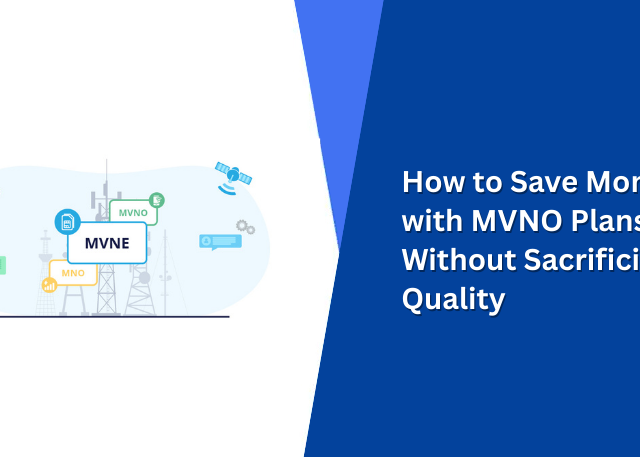
Larger operators often function as MVNE (Mobile Virtual Network Enabler) providers, offering platform services, network access, and billing infrastructure to smaller operators. These wholesale arrangements generate recurring monthly fees and create diversified revenue beyond direct consumer relationships. MVNE services represent high-margin business with strong customer retention.
Channel Partner Programs
These companies establish partner programs that allow aggregators, resellers, and distributors to package mobile services with their own value propositions. Channel partners pay wholesale rates while operators benefit from expanded distribution and customer acquisition without direct marketing expense. These programs create scalable revenue growth.
Cost Management and Margin Optimization
While not directly revenue generation, the business model’s fundamental advantage lies in cost management. Financial success depends critically on minimizing costs while optimizing margins throughout operations.
Network Access Arrangements
Operators negotiate wholesale rates with host carriers, paying per gigabyte of data and per minute of voice traffic. Successful businesses achieve favorable rates through volume commitments, long-term contracts, and demonstrated operational competence. These wholesale arrangements typically represent 40-60% of operational costs, making negotiation critical to profitability.
Customer Acquisition Cost (CAC) Optimization
These operators minimize customer acquisition costs through digital marketing, affiliate partnerships, and partnership channels that avoid expensive traditional mass media advertising. Successful operations achieve CAC ratios that pay back within 12-18 months, enabling profitable growth. This focus on CAC efficiency is critical for sustainability.
Operational Efficiency and Automation
These companies invest heavily in customer service automation, billing systems, and platform technology that minimize human-dependent operational costs. AI-powered customer service chatbots, automated billing systems, and self-service portals allow operations to scale customer bases without proportional cost increases. Technological sophistication directly translates to margin improvement.
Churn Reduction and Lifetime Value
Operators maximize profitability by reducing customer churn through loyalty programs, superior customer service, and innovative features. Higher lifetime customer value allows businesses to justify higher customer acquisition investments while improving overall profitability. Sophisticated operators focus relentlessly on customer retention economics.
The Diverse Revenue Model of Virtual Network Operators
The financial success of these businesses demonstrates that telecommunications profitability doesn’t require owning network infrastructure. Instead, successful operations have developed sophisticated, multi-faceted revenue models that maximize value extraction across multiple customer touchpoints and service categories. The most successful companies in the market have moved far beyond simple connectivity reselling, instead positioning themselves as comprehensive mobility solution providers. Whether through value-added services, enterprise solutions, or innovative data monetization, leading MVNO providers have proven that strategic differentiation and customer-centric innovation generate superior financial returns compared to traditional infrastructure ownership. This business model continues to evolve, with successful operators continuously identifying and exploiting new monetization opportunities while maintaining the cost discipline that makes the sector fundamentally viable.
As telecommunications markets mature and competition intensifies, the virtual network operator business model represents the future of flexible, efficient wireless service delivery. By focusing on customer acquisition, retention, and lifetime value maximization rather than capital-intensive infrastructure investment, these companies have fundamentally altered competitive dynamics in the mobile telecommunications industry. The revenue generation strategies discussed throughout this comprehensive breakdown reveal that modern operations are sophisticated, technologically-enabled businesses far more complex than early-stage resellers. Future growth will likely come from increasingly specialized services, advanced data analytics, enterprise solutions, and emerging technologies such as 5G optimization and IoT connectivity. Investors, entrepreneurs, and telecommunications professionals should recognize that the MVNO provider model represents a proven, scalable path to profitability and market relevance in the increasingly competitive global wireless telecommunications landscape. Understanding these revenue mechanisms is essential for evaluating MVNO provider opportunities and positioning for success in an industry where operational excellence and strategic innovation have proven more valuable than historical market incumbency.