The Role of MVNEs in Accelerating White Label MVNO Deployment
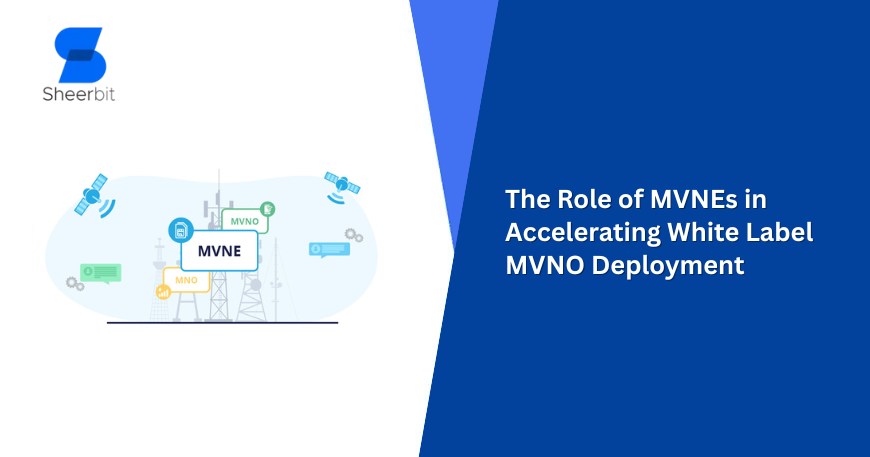
In the rapidly evolving telecommunications industry, Mobile Virtual Network Operators (MVNOs) have become a powerful way for brands to offer mobile services without owning physical network infrastructure. Central to the swift and effective deployment of white label MVNOs are Mobile Virtual Network Enablers (MVNEs), which act as specialized solution providers delivering the essential technical and operational backbone to MVNOs. This comprehensive blog post explores the critical role MVNEs play in accelerating white label MVNO deployments, with a focus on their function as solution providers, benefits to MVNOs, and best practices for selecting an MVNE partner. Understanding MVNOs and MVNEs: The Basics An MVNO leases wholesale access from Mobile Network Operators (MNOs) and resells mobile services under its own brand, while white label MVNOs focus heavily on branding and customer experience rather than network management. MVNEs facilitate MVNOs by providing all the technical systems and operational processes required to run a mobile service without involving the MVNO in complex network infrastructure development. MVNEs provide platforms that include Business Support Systems (BSS), Operations Support Systems (OSS), SIM provisioning, billing systems, customer relationship management, and regulatory compliance tools. Essentially, MVNEs serve as indispensable solution providers acting as intermediaries between MVNOs and MNOs, simplifying the process of launching and managing mobile services. How MVNEs Accelerate MVNO Launch and Growth Ready-Made Platforms for Rapid Deployment One of the foremost advantages of partnering with an MVNE solution provider is the availability of pre-integrated, scalable platforms. These platforms eliminate the need for MVNOs to build complex technical infrastructure from scratch. MVNE platforms come with: SIM provisioning and authentication systems Real-time charging and billing engines Customer management and CRM tools Network and service activation mechanisms Because these capabilities are ready out-of-the-box, MVNOs can shift focus to go-to-market strategy and customer acquisition, reducing launch timelines from years to just several months. Simplifying Network Integration MVNEs handle all backend integration with Mobile Network Operators, managing complex aspects like provisioning SIM cards, authenticating devices, activating services, and routing communications. This network integration expertise is crucial for MVNOs that lack technical resources or telecom experience. MVNEs also handle multi-operator and multi-protocol support, enabling MVNOs to select diverse network options easily. This flexibility expedites deployment and broadens service reach. Reducing Operational Complexity and Risk Running a mobile service requires maintaining billing accuracy, fraud detection, customer service platforms, and compliance with telecom regulations—areas where MVNEs provide turnkey solutions. By outsourcing these functions, MVNOs significantly reduce operational overhead and technical risk. MVNEs also offer multi-tenant environments that support multiple MVNOs on a single platform, allowing shared operational costs and continuous scalability as the business grows. Cost-Effective Model with Flexible Pricing Building telecom infrastructure independently demands high capital expenditure. MVNEs offer pay-as-you-grow or usage-based pricing models, allowing MVNOs to enter markets with minimal initial investment. This financial flexibility helps mitigate risks and supports rapid experimentation with new markets or service offerings. Enabling Innovation and Customization Modern MVNE solutions incorporate digital innovations like AI-powered customer support, eSIM integration for seamless device onboarding, and IoT connectivity frameworks. They offer flexible APIs and modular architectures that allow MVNOs to customize service plans, pricing models, and user experiences—empowering niche targeting and rapid product evolution. Enhancing User Experience Today’s mobile users expect instant, frictionless service activation and support. Advanced MVNE platforms facilitate one-tap eSIM activations, self-service portals, and AI-driven virtual assistants to meet these expectations—boosting customer satisfaction and competitive differentiation. Supporting Scalability and Global Reach MVNEs often provide global connectivity solutions, supporting MVNO expansion across regions without the need for local infrastructure investments. Their multi-tenant architecture and cloud-based solutions make it easy for MVNOs to scale subscriber bases without system overhauls. Technical Integration Process Handled by MVNEs MVNEs ease the complex integration tasks that are otherwise technical barriers for new entrants: SIM provisioning and subscription management: Automating SIM card lifecycle management from activation to suspension. Network authentication: Ensuring secure access of MVNO subscribers to MNO infrastructure. Service activation: Enabling real-time activation of voice, data, SMS, and value-added services. Billing and revenue management: Providing accurate usage rating, billing cycles, invoicing, and fraud prevention. Customer management & CRM: Offering platforms to manage subscribers, support tickets, and self-care portals. Regulatory compliance: Managing data privacy, lawful interception requirements, and telecom licensing processes. By managing this entire backend stack, MVNEs function as the technical backbone freeing MVNOs from infrastructure burdens and accelerating deployment timelines. Challenges with Traditional MVNEs and Choosing the Right Partner Not all MVNE providers offer the same level of flexibility or modern capabilities. Traditional MVNEs may rely on legacy infrastructure, causing longer launch times, higher maintenance costs, and limited ability to customize or innovate. Fragmented services requiring multiple vendors complicate operations and scaling. Smart MVNOs seek MVNEs that offer: Modern, cloud-native platforms with API-driven architectures Seamless integration with eSIM and AI tools End-to-end operational support without fragmentation Flexible pricing and customized service plans Proven network partnerships and strong global presence Due diligence and alignment with MVNO business goals are crucial for selecting a partner that will truly accelerate go-to-market and sustain growth. Conclusion MVNEs are indispensable solution providers enabling white label MVNOs to accelerate deployment, reduce costs, manage complexity, and innovate rapidly. Their comprehensive technical platforms and operational support allow brands to focus on customer engagement and market differentiation without the hassle of telecom infrastructure development. With the right MVNE partner, white label MVNOs can launch faster, scale efficiently, and compete effectively in an increasingly digital and connected world. Launching a white label MVNO without the technical foundation and expertise of an MVNE involves significant hurdles and risks. By partnering with the right MVNE solution provider, businesses unlock agility, innovation, and faster revenue streams—making MVNEs the cornerstone of modern white label MVNO success.
The Best MVNE Service Providers in 2026: How to Choose the Right MVNE Services Company
Table of Contents Introduction What is MVNE Service? Why MVNE Services Are Essential in 2025 Top 10 MVNE Service Providers in Detail Sheerbit Technologies Plintron Transatel (NTT) AtCore Systems Syniverse Pareteum Digitalk Effortel Telna Telinta How to Choose the Right MVNE Services Company Future Trends in MVNE Services Conclusion Introduction In the constantly evolving telecom industry, Mobile Virtual Network Enablers (MVNEs) are foundational enablers of innovation. They power businesses of all sizes to launch mobile brands without investing heavily in costly network infrastructure. An MVNE service company provides the vital backend telecom infrastructure, operational platforms, and technical support that Mobile Virtual Network Operators (MVNOs) require to operate successfully. Over recent years, the rise of advanced technologies like 5G, eSIM, and cloud-native platforms has dramatically shifted how MVNE services are delivered. In 2025, selecting the best MVNE service provider is critical to securing a competitive advantage. This blog post explores the top MVNE companies, key features, and practical steps to choose the right partner for your telecom venture. What is MVNE Service? A Mobile Virtual Network Enabler (MVNE) offers essential platform services that support MVNO operations. Unlike Mobile Network Operators (MNOs) who own physical networks, MVNEs provide a bridge: enabling MVNOs to utilize MNO infrastructure while managing complex backend functions themselves. Core functions of MVNE services include: Network Integration: Ensuring seamless connectivity between MVNO and one or more MNOs, including handling network signaling. SIM Provisioning and Management: Overseeing mobile subscriber identity modules’ activation, deactivation, and lifecycle management. Billing and Charging Systems: Managing real-time billing, invoicing, and revenue assurance. Customer Relationship Management (CRM): Tools for managing customer data, support tickets, and service activations. Analytics and Reporting: Offering dashboards and insights to optimize subscriber growth, ARPU (average revenue per user), and churn rates. Scalability and Compliance: Ensuring the MVNO can grow without technical bottlenecks and meets regulatory standards. In essence, MVNEs enable MVNOs to avoid the massive capital expenditure and technical complexities of building telecom infrastructure from scratch. Why MVNE Services Are Essential The telecom industry’s transformation is accelerating with key technology trends: 5G Network Rollouts: MVNE platforms must handle advanced 5G capabilities and slicing to meet diverse MVNO requirements. eSIM Adoption: Remote SIM provisioning is changing traditional handset activation logistics, requiring MVNEs to support eSIM management. Internet of Things (IoT): MVNE companies now offer IoT connectivity solutions, enabling MVNOs to address industrial, automotive, and consumer device markets. Cloud-Native Architecture: SaaS-based MVNE solutions provide faster deployment, scalability, and integration with third-party platforms. VoIP and WebRTC Integration: Converged communication services increasingly define MVNO offerings, demanding MVNE platforms to support voice/video over IP. These innovations make MVNEs indispensable technology partners, allowing businesses ranging from startups to enterprises to launch specialized mobile services efficiently and cost-effectively. Top 10 MVNE Service Providers in Detail 1. Sheerbit Technologies Sheerbit is a leading MVNE services company known for its deep expertise in VoIP, WebRTC, and cloud communication technologies. It offers tailored, scalable MVNE platforms that integrate mobile, VoIP, IoT, and real-time communication. Fully customizable, white-label MVNE platform with end-to-end telecom service management. Advanced integration of VoIP, WebRTC, and AI-driven communication tools. Comprehensive billing, analytics, and customer management systems. Scalable architecture supporting startups and enterprise-grade MVNO deployments. 24/7 technical support and tailored consulting services. Sheerbit’s strength lies in merging next-gen communication protocols with traditional MVNE services, delivering seamless user experience and business agility. Visit Sheerbit Technologies 2. Plintron Plintron is a global leader in cloud-based MVNE services, enabling clients to launch multi-country MVNOs with ease. Its platform supports multiple Mobile Network Operators (MNOs), enabling flexible and broad service coverage worldwide. Comprehensive eSIM and IoT connectivity support. End-to-end white-labeled solutions including billing, CRM, and network operation. Global roaming and multi-network access. Strong customer support and dedicated account management. Ideal for enterprises aiming to scale globally with diverse MVNO models across consumer and IoT verticals. Visit Plintron 3. Transatel (NTT) Backed by NTT, Transatel is specialized in eSIM and IoT connectivity solutions. It provides a robust MVNE platform with global roaming and carrier partnerships focused on machine-to-machine (M2M) and IoT use cases. Leading eSIM remote provisioning technology. Strong emphasis on IoT connectivity with billions of global data connections. Global carrier agreements facilitating worldwide coverage. Support for both consumer and industrial MVNO applications. Ideal for IoT-driven businesses and enterprises requiring seamless global connectivity. Visit Transatel 4. AtCore Systems AtCore offers a cloud-native, API-driven MVNE platform with advanced eSIM and multi-IMSI provisioning. It caters mainly to innovative startups, niche market MVNOs, and travel-focused mobile operators. Cloud-first infrastructure enabling rapid deployment. Flexible, programmable platform allowing custom integrations. Strong support for travel and roaming use cases. Scalable service model suited for emerging MVNO business models. Ideal for startups and MVNOs targeting specialized sectors such as travel and international roaming. Visit AtCore Systems 5. Syniverse Syniverse provides global connectivity and messaging platforms to large MVNOs and enterprises. Its MVNE solutions focus on reliable network access and real-time communication services. Extensive roaming solutions and global mobile footprint. Messaging, identity, and security services integrated with MVNE offering. Large-scale telecom operational experience. Advanced analytics and real-time operational visibility. Ideal for enterprises and large MVNOs needing scalable, reliable network services globally. Visit Syniverse 6. Pareteum Pareteum offers a cloud-based MVNE platform with IoT and mobile service support. However, clients should exercise caution due to its recent financial challenges impacting operations. Cloud-based BSS/OSS suite. APIs for mobile and web integration. Global coverage with IoT service enablement. Focus on digital transformation for MVNOs. Ideal when due diligence confirms stability; generally for enterprises seeking integrated mobile and IoT platforms. Visit Pareteum 7. Digitalk Digitalk provides a real-time cloud-native MVNE solution tailored for modern MVNOs. It supports VoLTE, VoWiFi, and has flexible API-driven architecture popular with agile telecom startups. Real-time rating and charging. API access for third-party integrations. Support for advanced voice technologies such as VoLTE and WebRTC. Easy scalability for emerging MVNOs. Ideal for tech-savvy MVNOs looking for cutting-edge technology and VoIP integration. Visit Digitalk 8. Effortel Effortel is a European MVNE leader with a highly modular and scalable EMS (Enterprise Mobility Suite)
What is MVNE? An Introduction to Mobile Virtual Network Enablers
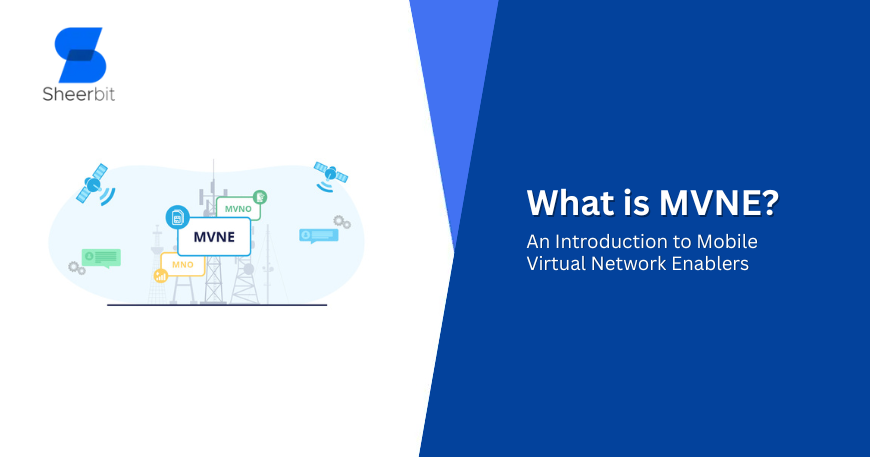
In the dynamic telecom market, Mobile Virtual Network Enablers (MVNEs) serve as critical infrastructure providers powering Mobile Virtual Network Operators (MVNOs). MVNEs offer essential technical systems and operational support, allowing MVNOs to deliver mobile services without owning physical network infrastructure. This article provides a detailed introduction to MVNEs, their services, solutions, and why partnering with the right MVNE service provider is vital. Understanding MVNE: The Foundation of MVNOs A Mobile Virtual Network Enabler (MVNE) is a specialized company that provides the network infrastructure and operational platforms required by MVNOs to operate. Unlike Mobile Network Operators (MNOs) that own and maintain physical telecom networks, MVNEs offer backend systems including Business Support Systems (BSS), Operations Support Systems (OSS), SIM provisioning, billing, and customer management platforms. MVNEs do not interact directly with end consumers; instead, they enable MVNOs by providing them with the technical environment needed to manage subscribers, traffic, and service delivery. This disaggregation allows MVNOs to focus on branding, marketing, and customer engagement while relying on the MVNE for complex network and service management tasks. How MVNE Works: Backbone of Telecom Operations An MVNE solution integrates various technical and operational components to enable MVNOs to launch and run mobile services efficiently. Core areas include: Network Integration: Connecting with one or multiple MNOs to access network coverage and services. SIM Management: Managing SIM card lifecycle processes, including activation, suspension, replacement, and remote provisioning particularly for eSIMs. Billing Systems: Real-time billing and charging for prepaid, postpaid, and multi-play services, handling promotions, taxes, and revenue management. Customer Relationship Management (CRM): Tools and portals for subscriber onboarding, account management, self-care, and customer support. Regulatory Compliance: Ensuring adherence to local telecom regulations, number portability, and data privacy laws. Analytics and Reporting: Providing MVNOs with actionable insights on subscriber behavior, service usage, and campaign effectiveness. MVNE solutions are often cloud-based, offering scalability, flexibility, and faster time-to-market for MVNOs. Modern systems may support advanced features like 5G technology, VoLTE, VoWiFi, and offer comprehensive APIs for integration with third-party services. MVNE Services: Comprehensive Support for MVNOs MVNE service providers offer a wide range of MVNE services designed to simplify and optimize MVNO operations: OSS/BSS Platforms: Core systems for managing operations and business processes. SIM Provisioning and Management: Including traditional SIM cards and eSIM with remote management capabilities. Billing and Revenue Management: Convergent billing platforms that support complex pricing models. Customer Onboarding and Support: Automated self-care apps and portals. Multi-Network Connectivity: Enables MVNOs to utilize coverage from multiple MNO partners, improving service quality and pricing. Security and Compliance: Implementing industry-standard security protocols and ensuring compliance with telecom regulations. Advanced Analytics and BI: Dashboards and reporting tools for strategic decision-making. These MVNE services allow MVNOs to launch quickly, reduce operational complexity, and focus on customer acquisition and retention. Advantages of an MVNE Solution Adopting an MVNE solution provides several benefits for MVNOs: Reduced Capital Expenditure: Eliminates the need for heavy investment in telecom infrastructure. Faster Market Entry: Ready-made platforms and automation accelerate launch timelines. Scalable and Flexible: Cloud-based architectures allow businesses to grow seamlessly and introduce new services when needed. Access to Advanced Technologies: Enables support for 5G, eSIM, VoLTE, and other new telecom innovations. Cost Efficiency: Shared resources and multi-tenant platforms reduce ongoing expenses. Regulatory Expertise: MVNEs assist with navigating complex telecom regulations and compliance requirements. Why Choose an MVNE Service Provider? Businesses looking to launch or expand an MVNO benefit significantly from partnering with an experienced MVNE service provider. Key reasons include: Turnkey Solutions: End-to-end MVNE platforms covering all technical and operational needs. Expertise: Specialized knowledge of telecom operations, security, and regulatory compliance. Network Access: Established relationships with multiple MNOs enabling optimal coverage and competitive pricing. Support and Upgrades: Ongoing technical support with continuous platform updates. Focus on Growth: Frees MVNOs to concentrate on customer engagement and marketing. How to Select the Right MVNE Service Provider Selecting the best MVNE service provider is crucial. Consider these factors: Comprehensive Service Offerings: BSS/OSS, SIM management, billing, CRM, and compliance. Scalability and Flexibility: Ability to scale with business growth and customize solutions. Technological Innovation: Support for the latest telecom standards and emerging technologies. Strong MNO Partnerships: Access to multiple network operators for broader coverage. Customer Support: Quality and availability of technical and operational assistance. Transparent Pricing: Clear cost structures aligned with business needs. Proven Track Record: Experience in successful MVNO launches and ongoing operations. The Future Outlook for MVNE Services With the ascent of 5G, IoT, and cloud-native telecom deployments, MVNEs are set to become even more integral to the mobile service ecosystem. Advancements in automation, AI-driven analytics, and multi-carrier management will reduce costs and enhance agility. MVNE service providers will continue evolving their solutions to support emerging business models such as private networks and IoT connectivity at scale. Conclusion Mobile Virtual Network Enablers (MVNEs) are foundational to the success of Mobile Virtual Network Operators (MVNOs), providing crucial backend services and infrastructure without the need for physical network ownership. By leveraging MVNE services and solutions, MVNOs can launch faster, operate more effectively, and bring innovative mobile offerings to market. Choosing the right MVNE service provider ensures access to advanced technology, multi-network integrations, and expert support essential for thriving in today’s competitive telecom landscape.
Understanding the Difference Between MNO, MVNO, MVNA, and MVNE: A Complete Guide
The mobile telecommunications landscape is complex, populated by multiple types of operators and service providers, each fulfilling essential roles to keep us all connected. At the core are the terms MNO (Mobile Network Operator), MVNO (Mobile Virtual Network Operator), MVNA (Mobile Virtual Network Aggregator), and MVNE (Mobile Virtual Network Enabler). Though similar in sound, their functions, business models, and services differ significantly. This extensive guide explores the unique characteristics of each entity—how they operate, the services they provide, and how they collaborate in the telecom ecosystem. Whether a business seeking to launch an MVNO, an investor evaluating telecom opportunities, or a technology enthusiast, understanding these distinctions is vital. Table of Contents What is an MNO? What is an MVNO? What is an MVNA? What is an MVNE? How These Entities Collaborate Business Models Comparison Choosing the Right Telecom Model Understanding MVNO White Label Solutions Wholesale Pricing & Revenue Sharing Future Trends Shaping the Industry Conclusion What is an MNO? The Backbone of Mobile Connectivity Mobile Network Operators (MNOs) are telecom companies that own and operate the physical wireless network infrastructure including cell towers, antennas, core network hardware, and licensed radio spectrum. They build and maintain the infrastructure that enables wireless communication of voice, text, and data. An MNO typically manages: Ownership of licensed spectrum and radio frequencies regulated by governments. Network infrastructure deployment such as base stations and switching equipment. Customer billing systems, subscriptions, and support. Service plans, roaming agreements, and quality of service management. Globally recognized MNOs include Verizon, AT&T, Vodafone, T-Mobile, and China Mobile. They play the foundational role that supports the entire telecom ecosystem by wholesaling network access to other entities. What is an MVNO? Reselling Network Access with Your Brand Mobile Virtual Network Operators (MVNOs) offer mobile telecom services to consumers or businesses without owning their own wireless infrastructure or spectrum licenses. Instead, they purchase bulk access from MNOs or MVNAs and resell it under their own brand. MVNOs typically provide: Customized service plans tailored to niche markets, price points, or verticals like IoT. Customer acquisition, marketing, and service support. Billing and subscriber management (sometimes with the help of MVNEs). This business model enables brands and startups to enter the telecom market quickly without the vast capital expenses associated with building infrastructure. What is an MVNA? Aggregating Network Access for MVNOs Mobile Virtual Network Aggregators (MVNAs) serve as intermediaries that aggregate network access from one or multiple MNOs and resell it in bulk to smaller MVNOs. This aggregation provides economic scale, allowing MVNAs to negotiate better wholesale rates and volume discounts with MNOs. MVNAs manage: Wholesale contract negotiations with multiple MNOs. Aggregated billing and provisioning for multiple MVNO clients. Facilitated network access, reducing barriers and simplifying market entry for MVNOs. By pooling the buying power of many MVNOs, MVNAs enable smaller MVNOs to benefit from pricing and service options that would be unavailable individually. What is an MVNE? Enabling the MVNO’s Backend Operations Mobile Virtual Network Enablers (MVNEs) provide the critical technical and operational infrastructure required for MVNOs to deliver their services efficiently. MVNEs do not own network infrastructure but lease network access and focus on BSS/OSS (Business Support Systems / Operations Support Systems) to enable MVNO functionality. Typical MVNE services include: Billing and charging platforms with real-time rating. SIM card lifecycle management – ordering, activation, suspension, replacement. Customer relationship management (CRM) portals and analytics dashboards. Regulatory compliance support and reporting. Multi-MNO aggregation for better coverage and cost optimization. MVNEs allow MVNOs to concentrate on market penetration and customer experience by handling backend complexities. How These Entities Collaborate in the Telecom Ecosystem The telecom ecosystem is an interconnected network of these players: MNOs operate the physical mobile network infrastructure. MVNAs aggregate wholesale access and negotiate on behalf of multiple MVNOs. MVNEs provide enabling platforms and operational support to MVNOs. MVNOs retail connectivity services to end consumers or businesses under their own brand. Some providers combine MVNA and MVNE roles to offer end-to-end solutions, easing setup and operational challenges for new MVNOs. Business Models Comparison: MNO, MVNO, MVNA, and MVNE Entity Owns Infrastructure? Primary Role Customers Served Key Services Examples MNO Yes Builds & operates mobile network Consumers & businesses Network operation, billing, support Verizon, AT&T, Vodafone MVNO No Resells network access under own brand End users (B2C/B2B) Marketing, customer management Boost Mobile, Virgin Mobile MVNA No Aggregates network access for MVNOs MVNOs Wholesale services, billing aggregation Third-party aggregators MVNE No Provides technical backend platform MVNOs Billing, SIM management, CRM Platform providers like Spenza Choosing the Right Telecom Model Selecting the ideal telecom model depends on business goals, available capital, and technical capabilities. MNO services require significant infrastructure investment but offer full control and capability for innovation. MVNO solutions allow brands to offer telecom services quickly without owning infrastructure. MVNO white label platforms speed time-to-market by providing turnkey solutions. MVNE services provide essential backend capabilities needed for scale and compliance. MVNA partnerships offer the benefit of aggregated wholesale pricing and simplified access for smaller MVNOs. Here is a comparison focusing on launch speed, control, and cost: Criteria MNO MVNE MVNA Time-to-Market Slow (6-12 months+) Fast (weeks) Moderate Control Full (core network, pricing, features) Moderate (customer experience, billing) Low (dependent on wholesale provider) Cost High (CapEx & OpEx) Medium Low Understanding MVNO White Label Solutions MVNO white label solutions have become popular for businesses aiming to quickly launch mobile services with minimal upfront investment and technical expertise. These solutions provide fully managed backend infrastructure, including billing, SIM management, and customer support systems, allowing the client to focus on brand, marketing, and sales. Benefits include: Rapid launch with proven technology stacks. Lower operational complexity and risk. Scalability without additional infrastructure investments. Flexible branding and product customization. White label MVNOs democratize telecom market entry and open opportunities for retailers, virtual operators, and innovative IoT companies. Wholesale Pricing & Revenue Sharing Key to MVNO success is negotiating favorable wholesale pricing agreements with MNOs or MVNAs. MVNOs typically purchase network access in bulk at discounted rates and resell services retail. These