






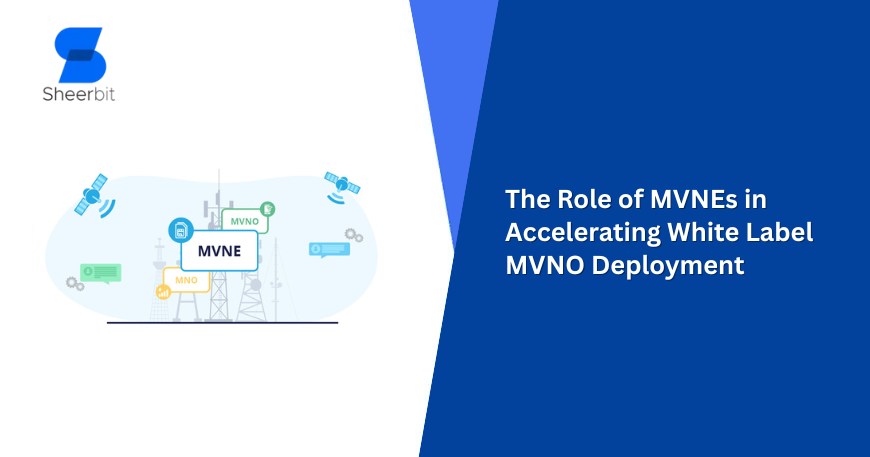
In the rapidly evolving telecommunications industry, Mobile Virtual Network Operators (MVNOs) have become a powerful way for brands to offer mobile services without owning physical network infrastructure. Central to the swift and effective deployment of white label MVNOs are Mobile Virtual Network Enablers (MVNEs), which act as specialized solution providers delivering the essential technical and operational backbone to MVNOs. This comprehensive blog post explores the critical role MVNEs play in accelerating white label MVNO deployments, with a focus on their function as solution providers, benefits to MVNOs, and best practices for selecting an MVNE partner.
Understanding MVNOs and MVNEs: The Basics
An MVNO leases wholesale access from Mobile Network Operators (MNOs) and resells mobile services under its own brand, while white label MVNOs focus heavily on branding and customer experience rather than network management. MVNEs facilitate MVNOs by providing all the technical systems and operational processes required to run a mobile service without involving the MVNO in complex network infrastructure development.
MVNEs provide platforms that include Business Support Systems (BSS), Operations Support Systems (OSS), SIM provisioning, billing systems, customer relationship management, and regulatory compliance tools. Essentially, MVNEs serve as indispensable solution providers acting as intermediaries between MVNOs and MNOs, simplifying the process of launching and managing mobile services.
How MVNEs Accelerate MVNO Launch and Growth
Ready-Made Platforms for Rapid Deployment
One of the foremost advantages of partnering with an MVNE solution provider is the availability of pre-integrated, scalable platforms. These platforms eliminate the need for MVNOs to build complex technical infrastructure from scratch. MVNE platforms come with:
- SIM provisioning and authentication systems
- Real-time charging and billing engines
- Customer management and CRM tools
- Network and service activation mechanisms
Because these capabilities are ready out-of-the-box, MVNOs can shift focus to go-to-market strategy and customer acquisition, reducing launch timelines from years to just several months.
Simplifying Network Integration
MVNEs handle all backend integration with Mobile Network Operators, managing complex aspects like provisioning SIM cards, authenticating devices, activating services, and routing communications. This network integration expertise is crucial for MVNOs that lack technical resources or telecom experience.
MVNEs also handle multi-operator and multi-protocol support, enabling MVNOs to select diverse network options easily. This flexibility expedites deployment and broadens service reach.
Reducing Operational Complexity and Risk
Running a mobile service requires maintaining billing accuracy, fraud detection, customer service platforms, and compliance with telecom regulations—areas where MVNEs provide turnkey solutions. By outsourcing these functions, MVNOs significantly reduce operational overhead and technical risk.
MVNEs also offer multi-tenant environments that support multiple MVNOs on a single platform, allowing shared operational costs and continuous scalability as the business grows.
Cost-Effective Model with Flexible Pricing
Building telecom infrastructure independently demands high capital expenditure. MVNEs offer pay-as-you-grow or usage-based pricing models, allowing MVNOs to enter markets with minimal initial investment. This financial flexibility helps mitigate risks and supports rapid experimentation with new markets or service offerings.
Enabling Innovation and Customization
Modern MVNE solutions incorporate digital innovations like AI-powered customer support, eSIM integration for seamless device onboarding, and IoT connectivity frameworks. They offer flexible APIs and modular architectures that allow MVNOs to customize service plans, pricing models, and user experiences—empowering niche targeting and rapid product evolution.
Enhancing User Experience
Today’s mobile users expect instant, frictionless service activation and support. Advanced MVNE platforms facilitate one-tap eSIM activations, self-service portals, and AI-driven virtual assistants to meet these expectations—boosting customer satisfaction and competitive differentiation.
Supporting Scalability and Global Reach
MVNEs often provide global connectivity solutions, supporting MVNO expansion across regions without the need for local infrastructure investments. Their multi-tenant architecture and cloud-based solutions make it easy for MVNOs to scale subscriber bases without system overhauls.
Technical Integration Process Handled by MVNEs
MVNEs ease the complex integration tasks that are otherwise technical barriers for new entrants:
- SIM provisioning and subscription management: Automating SIM card lifecycle management from activation to suspension.
- Network authentication: Ensuring secure access of MVNO subscribers to MNO infrastructure.
- Service activation: Enabling real-time activation of voice, data, SMS, and value-added services.
- Billing and revenue management: Providing accurate usage rating, billing cycles, invoicing, and fraud prevention.
- Customer management & CRM: Offering platforms to manage subscribers, support tickets, and self-care portals.
- Regulatory compliance: Managing data privacy, lawful interception requirements, and telecom licensing processes.
By managing this entire backend stack, MVNEs function as the technical backbone freeing MVNOs from infrastructure burdens and accelerating deployment timelines.
Challenges with Traditional MVNEs and Choosing the Right Partner
Not all MVNE providers offer the same level of flexibility or modern capabilities. Traditional MVNEs may rely on legacy infrastructure, causing longer launch times, higher maintenance costs, and limited ability to customize or innovate. Fragmented services requiring multiple vendors complicate operations and scaling.
Smart MVNOs seek MVNEs that offer:
- Modern, cloud-native platforms with API-driven architectures
- Seamless integration with eSIM and AI tools
- End-to-end operational support without fragmentation
- Flexible pricing and customized service plans
- Proven network partnerships and strong global presence
Due diligence and alignment with MVNO business goals are crucial for selecting a partner that will truly accelerate go-to-market and sustain growth.
Conclusion
MVNEs are indispensable solution providers enabling white label MVNOs to accelerate deployment, reduce costs, manage complexity, and innovate rapidly. Their comprehensive technical platforms and operational support allow brands to focus on customer engagement and market differentiation without the hassle of telecom infrastructure development. With the right MVNE partner, white label MVNOs can launch faster, scale efficiently, and compete effectively in an increasingly digital and connected world.
Launching a white label MVNO without the technical foundation and expertise of an MVNE involves significant hurdles and risks. By partnering with the right MVNE solution provider, businesses unlock agility, innovation, and faster revenue streams—making MVNEs the cornerstone of modern white label MVNO success.

